
Technology
One system, four lines of defense
The Hallstat Foley Insertion Kit combines four nurse-designed components. Each one is intended to address a different route that bacteria use to reach the bladder.
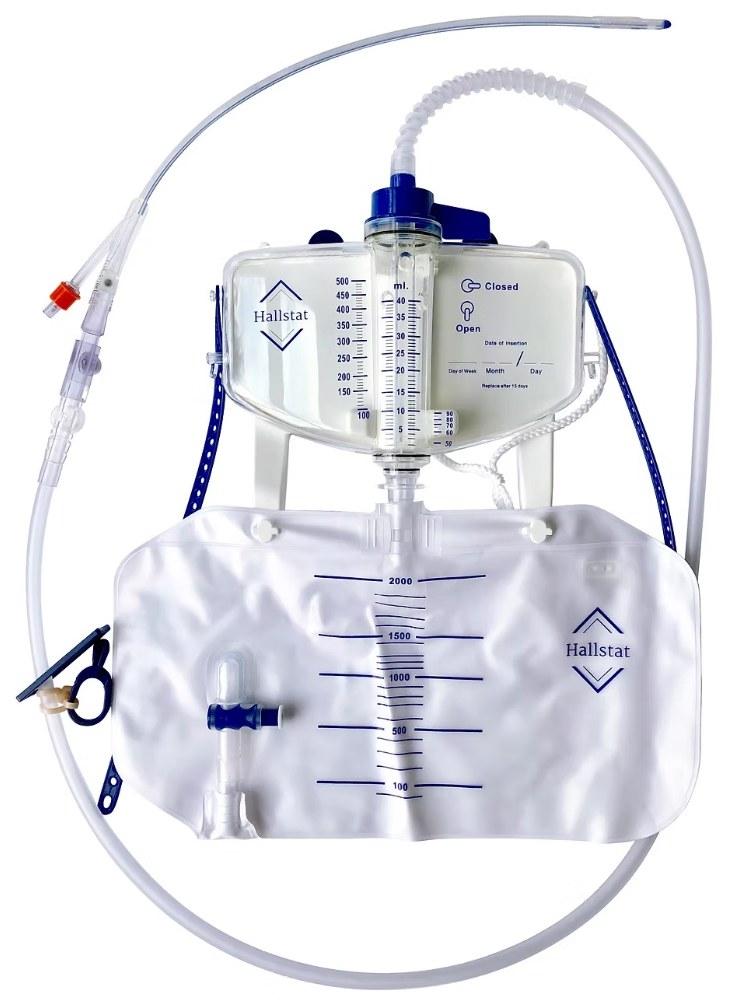
Component 1 of 4
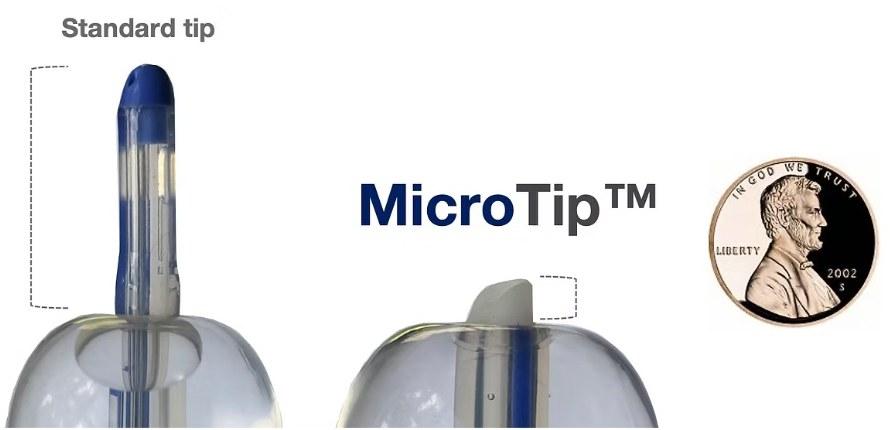
MicroTip™
The problem
The tip of a standard Foley catheter extends past the retention balloon into the bladder, where it can press against and irritate the bladder lining.
Our design
The MicroTip™ is less than one-third the size of a standard catheter tip. It is designed to reduce contact with the bladder wall, and the irritation that comes with it, during drainage.
The tip is intended to be adaptable to a range of catheter designs without a significant increase in manufacturing cost.
Component 2 of 4
CallisterCatheter™
The problem
Bacteria colonize a catheter by first adhering to its wall. Once attached, they can multiply into a biofilm that is difficult to remove without replacing the device.
Our design
The CallisterCatheter™ is made of 100% medical-grade silicone and is designed to resist bacterial adhesion on the catheter surface.
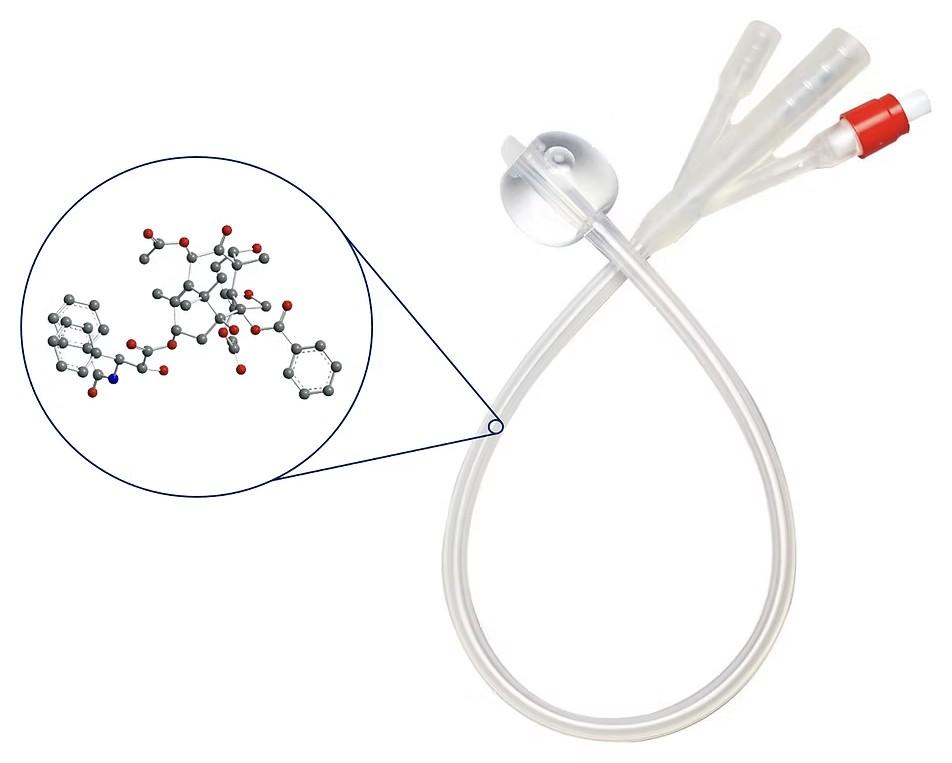
Inside the catheter lumen
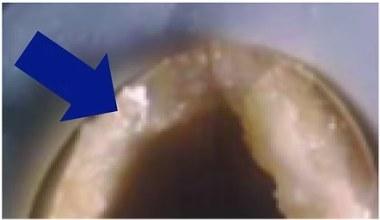

Results from a single internal observation may not reflect clinical performance.
Why the surface matters
How bacteria colonize a standard catheter

Seconds
Bacteria stick to the catheter surface (reversible).
Minutes
Attachment becomes irreversible.
Hours
Bacteria begin to replicate.
Days
A protective biofilm layer begins to form.
Days
Crystals can form (encrustation), shielding bacteria from antibiotics.
Component 3 of 4
BermeoValve™
The problem
Urine can settle in the drainage tubing, where bacteria can grow. If the tubing or bag is moved and the direction of flow changes, that urine can travel back toward the bladder.
Our design
The BermeoValve™ is a one-way valve intended to reduce urine backflow from the drainage tubing. It is designed to fit at the end of standard drainage tubing and to be compatible with catheters from various manufacturers.
It uses medical-grade elastomers and minimal moving parts to simplify manufacturing.
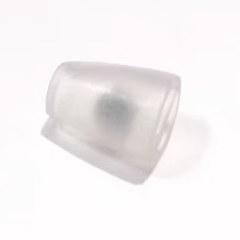
Design challenges we set out to solve
Problem
Moving the bag or tubing can send urine back toward the bladder.
Our approach
A one-way valve at the end of the drainage tubing, designed to reduce backflow.
Problem
Clots and sediment can block a valve and stop drainage.
Our approach
An inner diameter larger than the catheter entry, intended to let clots and sediment pass.
Problem
A valve that is hard to open can slow drainage.
Our approach
A low opening pressure, designed so urine drains freely in the forward direction.
Component 4 of 4
BactiStat™ Tubing
The problem
When drainage tubing kinks, urine flow can stop and urine can pool in the line, giving bacteria more time to grow.
Our design
BactiStat™ Tubing is a softer PVC drainage tubing with a spiral support designed to reduce kinking and keep urine flowing toward the bag.
BactiStat™ Tubing is infused with BactiStat technology, designed to reduce bacterial development as urine settles in the line.
Regulatory status
The Hallstat Foley Insertion Kit includes a Foley catheter cleared by FDA under 510(k). Clearance documentation is available to qualified buyers and partners on request.
Drainage components are 510(k)-exempt Class II devices under 21 CFR 876.5250.
Want the technical details?
Request a technical brief or talk with us about licensing.